

Recurrent episodes of chest pain, palpitations and fear of dying in a young, healthy patient are a classic USMLE presentation. These three USMLE Step 2 CK psychiatry practice questions cover the diagnosis of panic disorder and agoraphobia and their treatment. Pick your answer first, then open the explanation.
Question 1: Young woman with sudden episodes of palpitations and fear of dying
A 24-year-old woman has had four episodes over the past 2 months of sudden palpitations, sweating, trembling, shortness of breath and a feeling that she is going to die. Each episode peaks within minutes and resolves in under 30 minutes. They occur without any trigger. Since then she worries constantly about having another attack. ECG, thyroid tests and a urine drug screen are normal. Which of the following is the most likely diagnosis?
A. Generalized anxiety disorder
B. Panic disorder
C. Social anxiety disorder
D. Hyperthyroidism
Question 2: Fear of leaving home after panic attacks
A 21-year-old man has had recurrent panic attacks. Over the past 8 months he has stopped riding the bus, going to the supermarket and attending crowded classes because he fears he will not be able to escape or get help if an attack happens. He now rarely leaves his apartment. Which of the following is the most likely diagnosis?
A. Agoraphobia
B. Specific phobia
C. Avoidant personality disorder
D. Post-traumatic stress disorder
Question 3: Best long-term treatment for panic disorder
A 30-year-old woman is diagnosed with panic disorder. Which of the following is the most appropriate long-term treatment?
A. Alprazolam
B. Sertraline and cognitive behavioral therapy
C. Propranolol
D. Bupropion
Key takeaways
- Recurrent unexpected panic attacks + ≥1 month of worry → panic disorder.
- Fear/avoidance of ≥2 situations where escape is hard, ≥6 months → agoraphobia.
- Long-term treatment → SSRI + CBT; benzodiazepines only short term.
More USMLE practice questions
- All USMLE Step 2 CK questions
- Step 2 CK questions: newborn care, stroke and myelomeningocele
- Also try the free official practice questions at USMLE.org
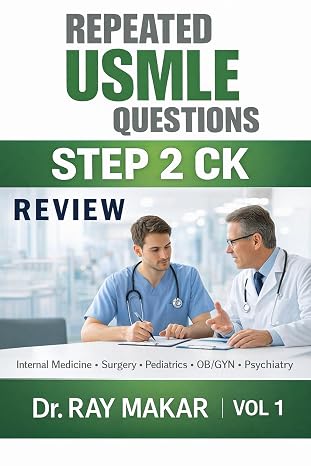
Want 100+ more clinical questions like these?
Get Repeated USMLE Questions Step 2 CK Review Vol 1 by Dr. Ray Makar
As an Amazon Associate, I earn from qualifying purchases.
Written and reviewed by Dr. Ray Makar, MD. Last reviewed: October 2026. For exam preparation only, not medical advice.
FREE USMLE PDFs
Get 80 free practice questions
Four free sampler PDFs by Dr. Ray Makar: Step 1 (Pathology & Pharmacology) and Step 2 CK (Medicine, Surgery & Pediatrics), in both Review style and USMLE style, with answers and explanations. Also useful for NEET-PG, INI-CET and FMGE.
Download the free PDFs See the full books →