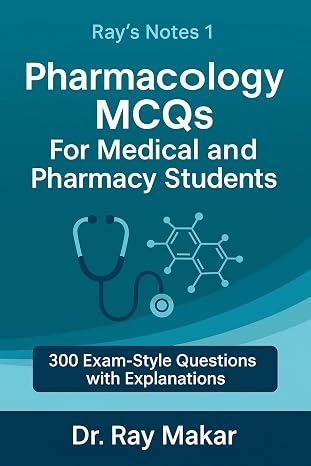
Test yourself with three high-yield USMLE Step 1 pharmacology questions on drug side effects and drug choice: quinidine-induced hemolytic anemia, treatment of diabetic gastroparesis, and a non-sedating anxiolytic. Pick your answer first, then open the explanation to see why each option is right or wrong.
Question 1: Which antiarrhythmic drug causes hemolytic anemia?
Which one of the following antiarrhythmic medications can cause hemolytic anemia as a side effect?
A. Hydralazine B. Metoprolol C. Quinidine D. Verapamil
Correct answer: C. Quinidine
Quinidine (a class IA antiarrhythmic) can cause drug-induced immune hemolytic anemia: the drug forms immune complexes with antibodies that attach to red blood cells, leading to their destruction. It can also cause immune thrombocytopenia.
Why the other options are wrong:
Hydralazine is a vasodilator used for hypertension, not an antiarrhythmic. Its classic side effect is drug-induced lupus.
Metoprolol (class II, beta-blocker) causes bradycardia, fatigue and bronchospasm, and can mask signs of hypoglycemia.
Verapamil (class IV, calcium channel blocker) causes constipation, bradycardia, AV block and gingival hyperplasia.
High-yield: Other quinidine side effects are cinchonism (tinnitus, headache, dizziness), diarrhea and QT prolongation leading to torsades de pointes.
Question 2: What is the treatment for diabetic gastroparesis?
Which one of the following drugs should be used in diabetic patients to relieve the symptoms of gastroparesis?
A. Cimetidine B. Omeprazole C. Famotidine D. Metoclopramide
Correct answer: D. Metoclopramide
Long-standing diabetes can damage the autonomic nerves of the stomach (diabetic autonomic neuropathy), causing delayed gastric emptying, early satiety, nausea and vomiting. Metoclopramide is a dopamine D2 receptor antagonist that acts as a prokinetic: it increases gastric emptying and lower esophageal sphincter tone.
Why the other options are wrong:
Cimetidine and famotidine are H2 receptor blockers, and omeprazole is a proton pump inhibitor. They all reduce stomach acid but do not improve gastric motility.
High-yield: Because it blocks dopamine, metoclopramide can cause extrapyramidal symptoms, tardive dyskinesia and hyperprolactinemia. Erythromycin (a motilin receptor agonist) is another prokinetic option.
Question 3: Which anxiolytic has minimal sedative side effects?
Which one of the following medications is the most likely to be prescribed in a case of moderate anxiety with minimal sedative side effects?
A. Buspirone B. Diazepam C. Lorazepam D. Zolpidem
Correct answer: A. Buspirone
Buspirone is a non-benzodiazepine anxiolytic that acts as a partial agonist at serotonin 5-HT1A receptors. It is used for generalized anxiety disorder and causes little sedation, no dependence and no interaction with alcohol.
Why the other options are wrong:
Diazepam and lorazepam are benzodiazepines. They work quickly but cause sedation, and they carry a risk of tolerance and dependence.
Zolpidem is a non-benzodiazepine hypnotic used for insomnia. It is sedating by design and is not used to treat anxiety.
High-yield: Buspirone takes 1–2 weeks to start working, so it is not useful for acute anxiety or panic attacks.
As an Amazon Associate, I earn from qualifying purchases.
Written and reviewed by Dr. Ray Makar, MD. Last reviewed: October 2026. For exam preparation only, not medical advice.
FREE USMLE PDFs
Get 80 free practice questions
Four free sampler PDFs by Dr. Ray Makar: Step 1 (Pathology & Pharmacology) and Step 2 CK (Medicine, Surgery & Pediatrics), in both Review style and USMLE style, with answers and explanations. Also useful for NEET-PG, INI-CET and FMGE.