
Lysosomal storage diseases are a favorite USMLE Step 1 topic because each one links a deficient enzyme, an accumulated substance and a classic clinical clue. These three practice questions cover Tay-Sachs, Fabry and Gaucher disease. Pick your answer first, then open the explanation.
Question 1: An infant with a cherry-red spot and an exaggerated startle
A 6-month-old boy of Ashkenazi Jewish descent is brought to the physician because he has lost the ability to sit and roll over. He startles excessively to loud noises. Fundoscopic examination shows a cherry-red spot on the macula of both eyes. The liver and spleen are not enlarged. Deficiency of which of the following enzymes is the most likely cause?
A. Glucocerebrosidase
B. Hexosaminidase A
C. Sphingomyelinase
D. Alpha-galactosidase A
E. Galactocerebrosidase
Question 2: Burning pain in the hands and a rash around the navel
A 32-year-old man has had episodes of burning pain in his hands and feet since childhood, often triggered by fever or exercise. He sweats very little. Examination shows clusters of small, dark red papules around the umbilicus and groin. Urinalysis shows proteinuria. His maternal uncle died of kidney failure at age 45. Accumulation of which of the following substances is responsible for this condition?
A. Glucocerebroside
B. GM2 ganglioside
C. Sphingomyelin
D. Ceramide trihexoside (globotriaosylceramide)
E. Heparan sulfate
Question 3: Massive splenomegaly and “crinkled paper” macrophages
A 25-year-old woman has fatigue, easy bruising and episodes of severe bone pain. Examination shows massive splenomegaly and hepatomegaly. Laboratory studies show anemia and thrombocytopenia. X-ray of the distal femur shows an Erlenmeyer flask deformity. A bone marrow biopsy shows macrophages with cytoplasm that looks like crinkled tissue paper. Which of the following is the most appropriate treatment?
A. Hydroxyurea
B. Penicillamine
C. Recombinant glucocerebrosidase (enzyme replacement therapy)
D. Allopurinol
E. Imatinib
Key takeaways
- Cherry-red spot without hepatosplenomegaly = Tay-Sachs; with hepatosplenomegaly = Niemann-Pick.
- Fabry disease is X-linked recessive; most other lysosomal storage diseases are autosomal recessive (Hunter syndrome is the other classic X-linked one).
- Gaucher disease is the most common lysosomal storage disease and is treated with enzyme replacement.
More USMLE practice questions
- All USMLE Step 1 questions
- Insulin, neurofibromatosis and lead poisoning
- What is the USMLE Step 1 exam?
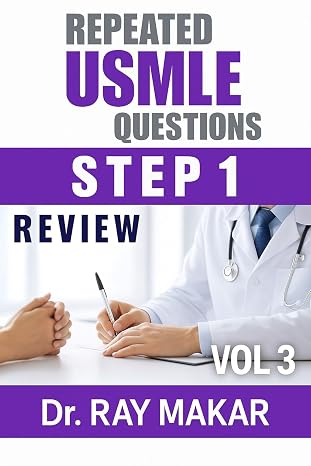
Want more Step 1 questions like these?
Get Repeated USMLE Questions Step 1 Review Vol 3 by Dr. Ray Makar
As an Amazon Associate, I earn from qualifying purchases.
Written and reviewed by Dr. Ray Makar, MD, dermatologist with 20 years of clinical practice. Last reviewed: October 2026. For exam preparation only, not medical advice.